Batumi: A City That Never Quite Stands Still


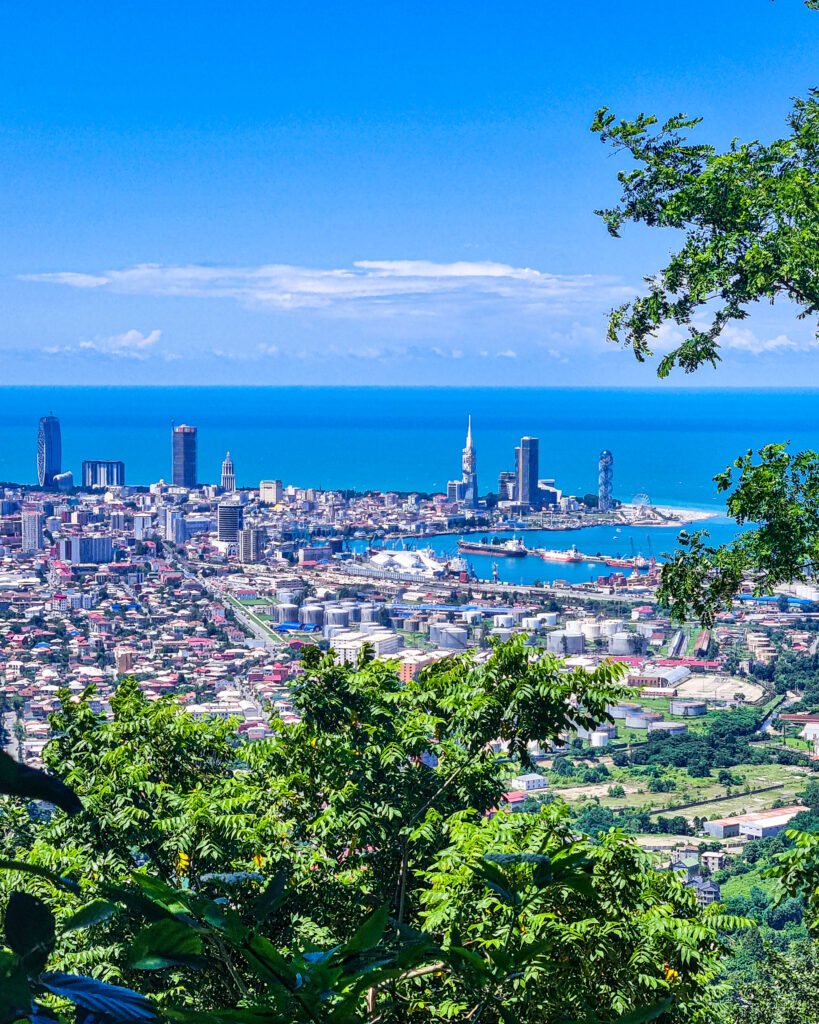
Adjara Travel Guide : Batumi is Adjara’s capital and Georgia’s premier coastal city. Rather than standing still as a historic relic, Batumi constantly reinvents itself along its iconic palm-lined boulevard.
- The Old Town and Boulevard
- Batumi’s Old Town (Dzveli Batumi) is compact and walkable, centered around Piazza Square — a slightly theatrical but genuinely charming European-style plaza with arcaded buildings and a clock tower. The surrounding streets hold a mixture of restored merchant houses, Ottoman-period architecture, and the kind of independent cafes and wine bars that have made Batumi increasingly interesting to travelers who come for more than the beach.
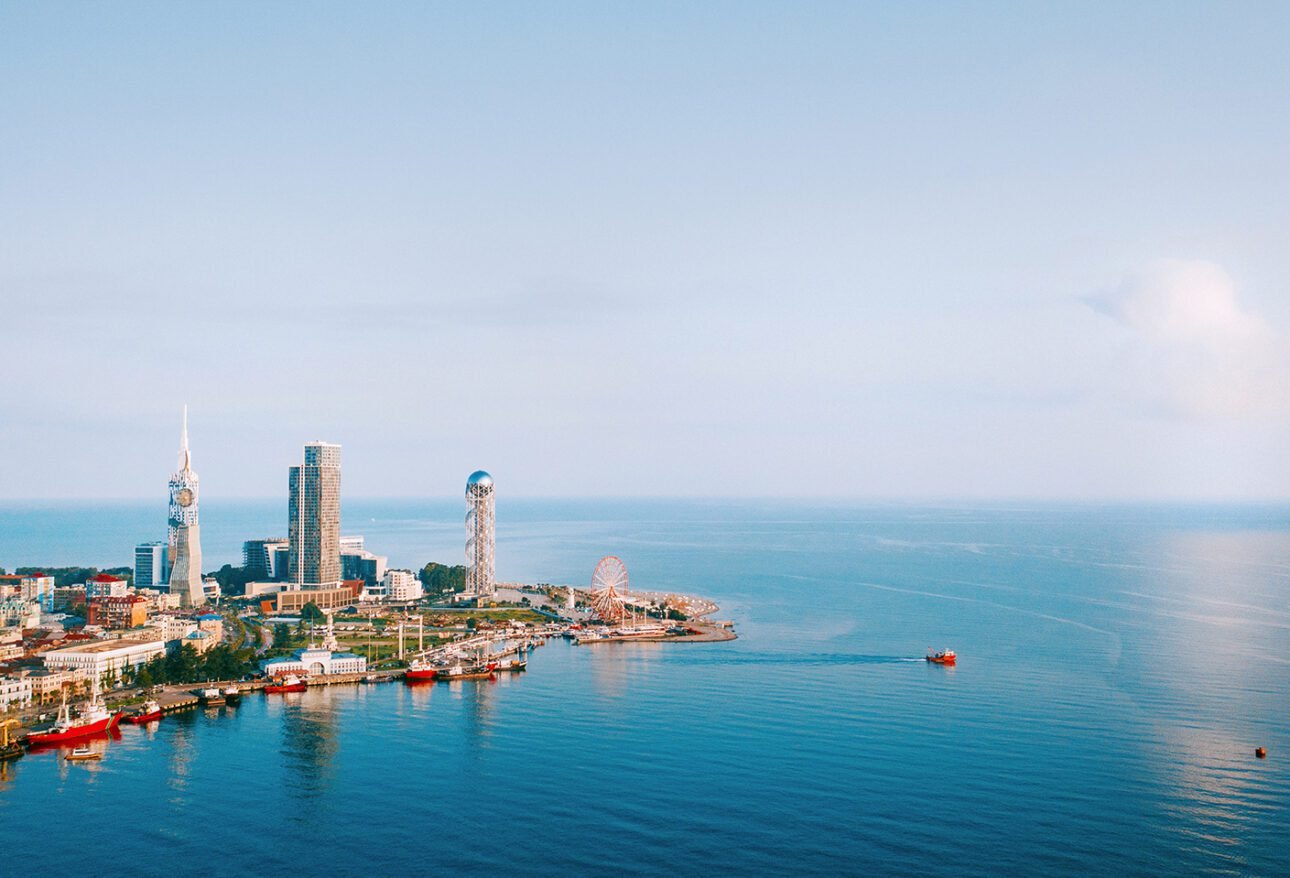
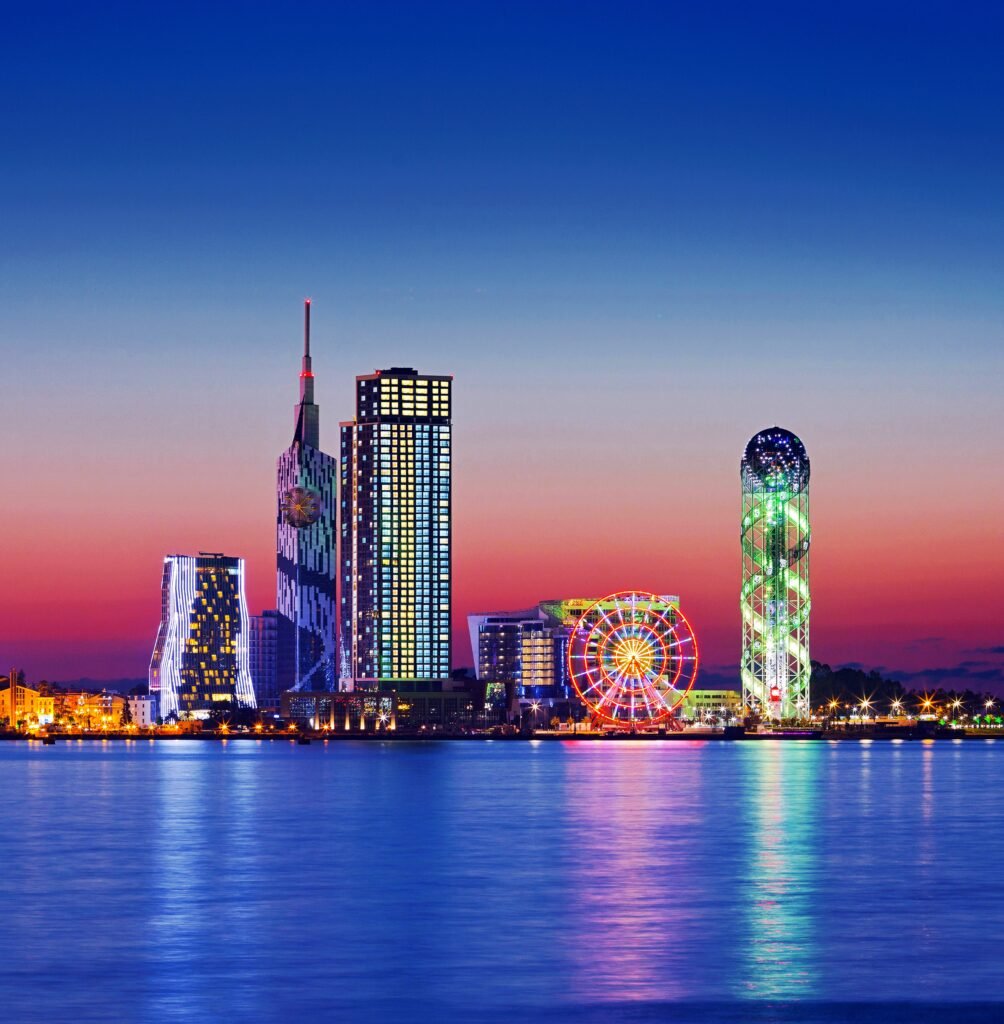
- The Batumi Boulevard (Bulvari) stretches for kilometers along the seafront — a ribbon of promenade, gardens, and public sculpture that the city has been extending since the 19th century. The Alphabet Tower, the Ali and Nino kinetic sculpture (a rotating pair of figures that pass through each other every few minutes), and the Ferris wheel along the boulevard have become shorthand for Batumi’s particular aesthetic: ambitious, occasionally excessive, and somehow endearing.
- The Batumi Botanical Garden
- Perched on a headland north of the city, the Batumi Botanical Garden is among the finest in the Caucasus — established in 1912, covering over 100 hectares of subtropical plantings along terraced hillsides dropping to the Black Sea. The combination of Georgian, Japanese, New Zealand, and Mexican sections makes for a pleasantly disorienting walk, and the sea views from the upper terraces reward the climb without question.


Adjara’s Cuisine: The Food That Set Itself Apart
Adjaran food shares Georgian DNA but developed its own emphases — shaped by the Black Sea’s seafood abundance, Ottoman spice traditions, and the subtropical climate that makes Adjara the only part of Georgia where tea, citrus, and bamboo grow outdoors year-round.
Adjarian Khachapuri: Georgia’s Most Famous Dish
The Adjarian khachapuri (Adjaruli khachapuri) is the boat-shaped bread filled with molten cheese, topped with a raw egg and a slab of butter, meant to be stirred together and eaten by tearing pieces of the bread crust to scoop the filling. It’s Georgia’s single most internationally recognized dish, and Adjara is where it originates.
Eating one properly — fresh from the oven, at a proper bakery rather than a tourist-facing restaurant — is one of those food experiences that explains immediately why it traveled.

The Adjaran Highlands: The Part Most Visitors Miss
Batumi’s coastline draws the crowds. The mountains above it draw almost no one, which is precisely why they’re worth going to.
Several villages retain small wooden mosques, centuries old, built in the same ornate carpentry tradition as the houses — a combination of Islamic religious function and distinctly Georgian-Caucasian craft that exists nowhere else in quite the same form.
Goderdzi Pass and the Alpine Plateau
The Goderdzi Pass (2,025 meters) connects Adjara to Samtskhe-Javakheti, and the plateau near the pass is a legitimate highland destination in its own right — wide open meadows, a functioning ski resort in winter, and the kind of 360-degree mountain panorama that stops conversations mid-sentence.


Mtirala National Park
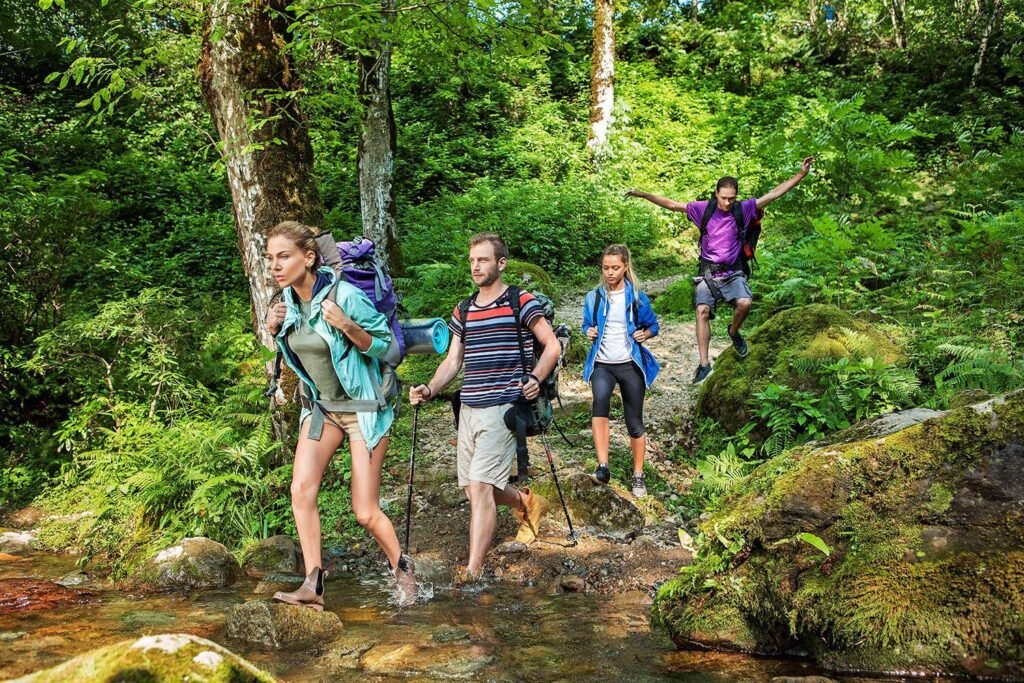
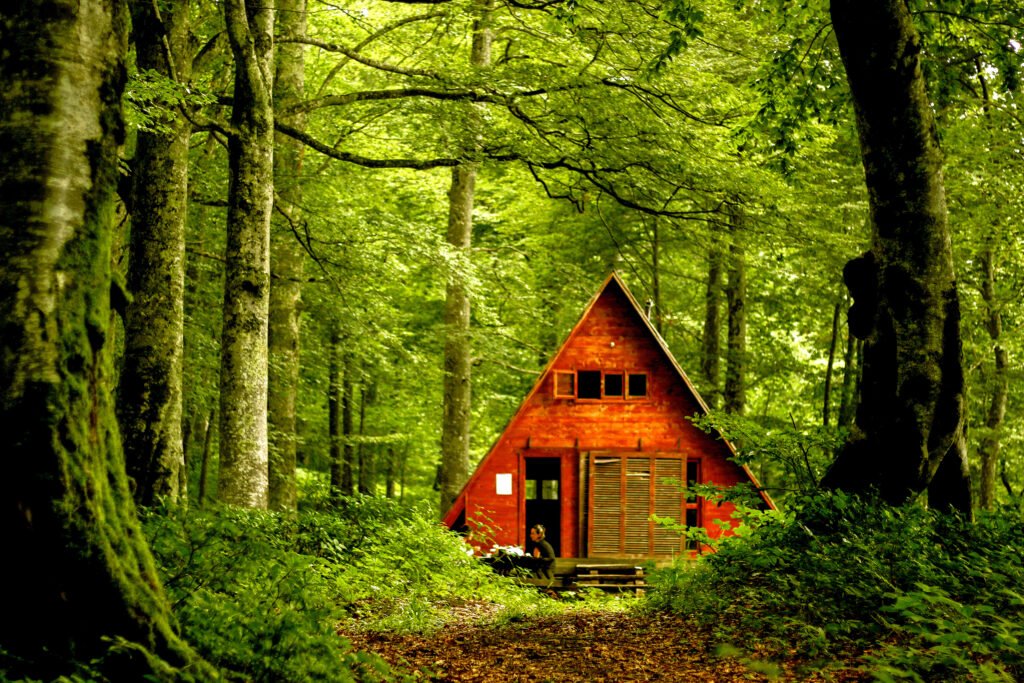
Between Batumi and Kobuleti, the Mtirala National Park covers the wettest forested mountains in Georgia — “Mtirala” translates loosely as “crying mountain,” a reference to the extraordinary rainfall this section of the Caucasus receives from Black Sea moisture. The result is dense, primordial forest — ancient colchic forest rich in endemic species — with hiking trails ranging from short walks to multi-day routes deeper into the park.

When to Visit Adjara
Summer (June–August) brings peak beach season on the coast — warm, humid, and busy, with the boulevard at full capacity.
Spring (April–May) is arguably the finest season — subtropical greenery at its most vivid, the highlands accessible but not yet crowded, and the city not yet overwhelmed by peak-season arrivals.
Autumn (September–October) keeps the warmth longer than most of Georgia, with sea temperatures still comfortable well into October.
Winter surprises most visitors — Batumi remains mild by Georgian standards, and Goderdzi offers some of the country’s most underrated skiing, with far shorter lift queues than the better-known Gudauri.