

Georgia is home to over 500 native grape varieties, making it one of the most biodiverse wine regions in the world. Many of these grapes are cultivated exclusively in Georgia and are essential to its unique wine identity.
- Saperavi – a bold red grape known for deep color and rich tannins
- Rkatsiteli – a versatile white grape with crisp acidity
- Other unique varieties: Kisi, Mtsvane, Aladasturi, and Otskhanuri Sapere

Wine as a Cultural Symbol
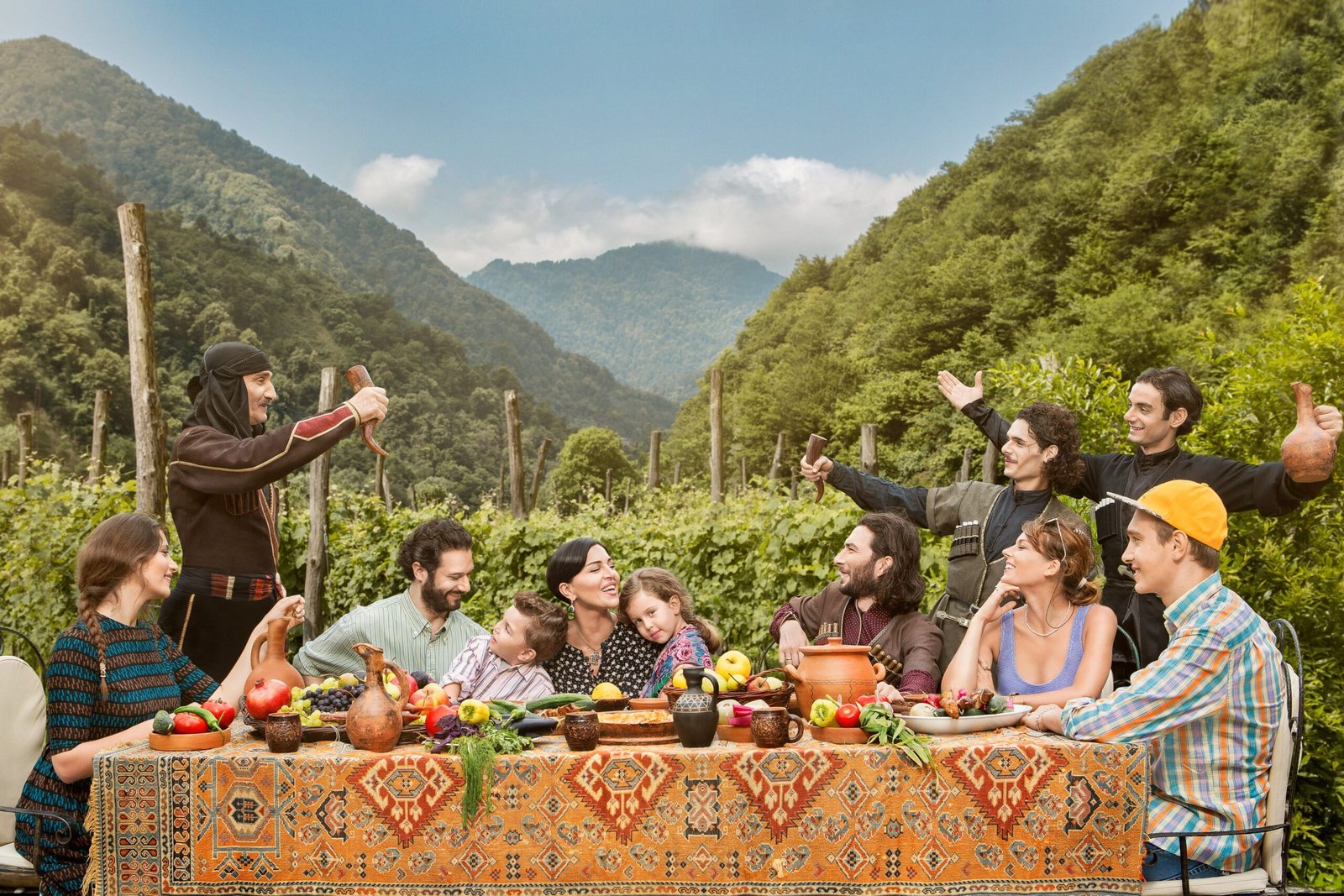
In Georgia, wine is deeply embedded in daily life, spirituality, and social customs. The traditional supra — a festive feast led by a tamada (toastmaster) — highlights wine’s role in uniting people through stories, history, and heartfelt toasts.
Wine also holds sacred meaning in Georgian Orthodox Christianity. As one of the world’s oldest Christian nations, Georgia uses wine in religious rituals, further embedding it into the spiritual and national fabric.
Qvevri: The Ancient Georgian Winemaking Method
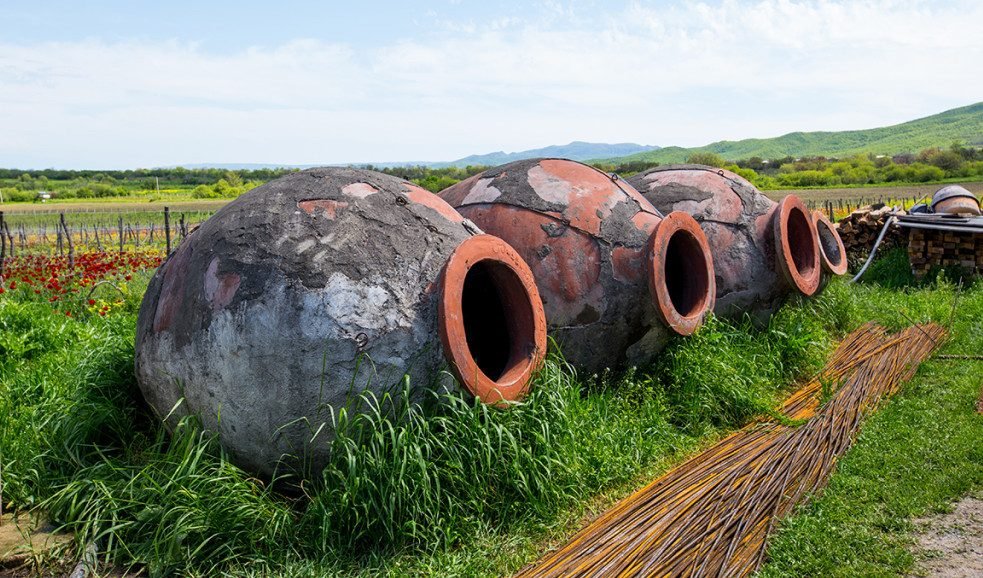
Among Georgia’s most iconic wine-related discoveries are qvevris — large clay vessels used for fermenting and aging wine underground. This traditional winemaking method is still used across Georgia and was inscribed on the UNESCO Intangible Cultural Heritage list in 2013.
Qvevri winemaking involves fermenting grapes — including skins, stems, and seeds — in clay jars buried underground. The result is natural wine with bold flavors and distinctive character, including the famous amber wine made from white grapes.
Key features of qvevri wine:
Known for purity, complexity, and sustainability
Fermented with wild yeast
Minimal human intervention
Naturally filtered and aged underground
A Modern Revival and Global Recognition

After the collapse of the Soviet Union in the 1990s, Georgia’s wine industry faced hardship. But in recent decades, a new generation of winemakers has sparked a powerful revival. By blending ancient methods with modern techniques, Georgian wines are now earning international acclaim.
Key industry facts:
- 500+ native grape varieties
- Over 25 Protected Designations of Origin (PDOs)
- 150+ active wineries and growing
- ~300 million liters of wine produced annually
Wine tourism is booming, especially in regions like Kakheti, Imereti, and Racha, where visitors can taste wines at family-run cellars, explore ancient vineyards, and experience authentic Georgian hospitality.
Conclusion: A Toast to Georgia’s Past and Future
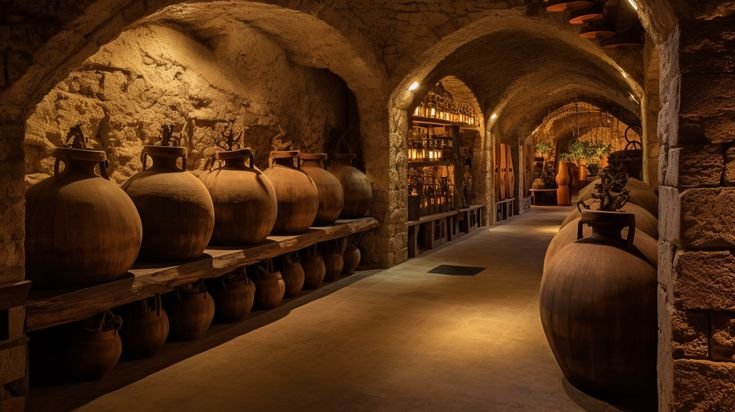
Georgia’s wine story is one of resilience, innovation, and pride. From the depths of qvevris to the global wine stage, each bottle of Georgian wine tells a tale thousands of years in the making.
So whether you’re sipping Saperavi, enjoying an amber Rkatsiteli, or exploring natural qvevri wines, you’re not just tasting a drink — you’re experiencing a living heritage.